
wet room glass
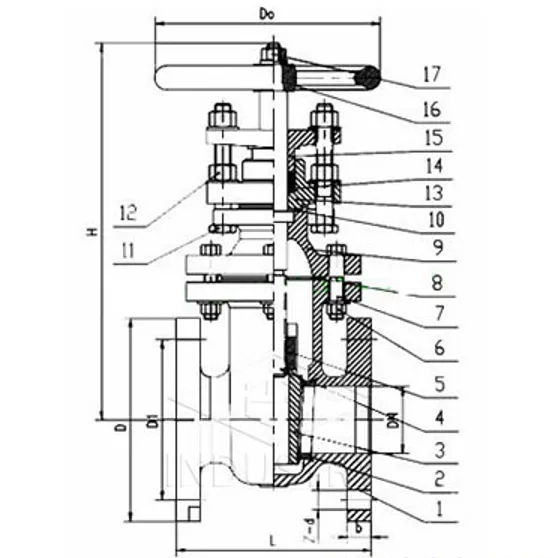
Understanding Gate Valve Manufacturers A Comprehensive Overview Gate valves play a crucial role in regulating the flow of fluids in various industrial systems. These valves are renowned for their ability to provide minimal resistance to flow when fully open, making them an ideal choice for applications requiring a straight-line flow of fluid. The design and manufacturing of gate valves involve several technical considerations, and a vast array of manufacturers are dedicated to producing high-quality products for diverse applications. This article explores the key aspects of gate valve manufacturers, including their significance, manufacturing processes, and factors to consider when choosing a supplier. Importance of Gate Valves Gate valves are essential in numerous industries, including oil and gas, water treatment, power generation, and petrochemical operations. They are primarily used for on/off control of fluid flow rather than for throttling purposes. When fully open, a gate valve creates a straight path for fluid, which minimizes pressure drop across the valve. Conversely, when closed, the valve tightly seals off the flow, preventing leakage. This unique functionality makes gate valves ideal for applications where complete shut-off is necessary. Manufacturers The Backbone of the Industry The global demand for gate valves has given rise to a myriad of manufacturers, each specializing in various types, materials, and sizes of valves. Prominent gate valve manufacturers often invest heavily in research and development to innovate and improve valve design and performance. Major players in the industry are equipped with advanced technologies and skilled personnel to ensure that their products meet stringent quality standards and comply with international regulations. These manufacturers also focus on specific sectors, tailoring their products to meet the unique needs of industries such as natural gas, sewage treatment, and industrial processes. Brands that have established a strong reputation in the market often emphasize quality assurance, reliability, and after-sales support, which are critical factors for their clients. Manufacturing Process of Gate Valves The manufacturing process of gate valves involves several steps, each critical to ensuring product quality and performance. It typically begins with the selection of suitable materials, which may include stainless steel, cast iron, brass, or specialized alloys, depending on the application's requirements. Once the material is selected, it undergoes various processes such as casting, forging, or machining to form the valve body and other components. After the primary components are produced, they are assembled with other parts, including the gate, seat, stem, and actuator. The assembly process is followed by rigorous testing, which may include hydrostatic testing, leakage tests, and pressure testing to ensure that the valve meets safety and performance specifications. Finally, the finished products are subjected to quality assurance checks before being packaged and shipped to clients. This thorough process is critical to maintaining the high standards expected in the valve manufacturing industry. gate valve manufacturers Factors to Consider When Choosing a Gate Valve Manufacturer When selecting a gate valve manufacturer, there are several key factors to consider 1. Quality Assurance Look for manufacturers who follow internationally recognized quality management standards (such as ISO 9001) to ensure product reliability. 2. Experience and Reputation Established manufacturers with a solid track record in the industry are more likely to deliver consistent quality and performance. 3. Customization Options Depending on the specific application, you may need customized valves. Check if the manufacturer is willing to provide tailored solutions. 4. After-Sales Support A strong after-sales support system can help address any issues that arise with valve performance, ensuring continued operation and satisfaction. 5. Certifications and Compliance Ensure that the valves meet industry standards and regulatory requirements relevant to your application, such as API, ANSI, or ASME certifications. 6. Technology and Innovation Manufacturers that invest in the latest technologies and continuous improvement are likely to produce more efficient and durable products. Conclusion Gate valve manufacturers are vital to numerous industries, ensuring the safe and efficient regulation of fluid flow. With a robust understanding of the manufacturing processes, along with careful consideration of quality, experience, and support, buyers can make informed decisions when selecting a gate valve supplier. As technology continues to evolve, the gate valve market will likely see innovations that enhance valve performance and reliability, further solidifying its importance in industrial applications worldwide.
about
wet room glass
The Importance of Vibration Pads in Industrial Applications In today's fast-paced industrial landscape, the importance of vibration isolation cannot be overstated. With machinery and equipment running at high speeds, vibrations can lead to significant operational challenges, including reduced efficiency, premature wear and tear, and even catastrophic failures. This is where the role of vibration pads comes into play, making the work of vibration pad manufacturers crucial for various industries. Understanding Vibration Pads Vibration pads are designed to absorb and dampen vibrations generated by machinery. They act as a cushion, minimizing the transmission of vibrations to surrounding structures or equipment. These pads are typically made from materials such as rubber, neoprene, and silicone, which offer excellent elasticity and durability. Vibration pads are used in a variety of applications, from construction sites to manufacturing plants, and even in residential settings where HVAC systems or heavy appliances are installed. The primary purpose of these pads is to enhance comfort, safety, and the longevity of machinery by reducing the impact of vibrations. How Vibration Pads Work The mechanism behind vibration pads is relatively simple yet highly effective. When machinery operates, it inevitably creates vibrations that can travel through the floor or any mounting surface. When vibration pads are placed beneath the equipment, they absorb these vibrations, converting kinetic energy into minimal heat. This process significantly decreases the level of vibration that spreads, protecting both the machine and the surrounding environment. Different types of vibration pads are available, each engineered for specific loads and frequencies. For instance, softer pads may be used for lightweight machinery, while denser pads are suitable for heavy equipment that produces substantial vibrations. Manufacturers invest in research and development to create pads that can cater to a wide range of applications, ensuring optimal performance for their clients. Benefits of Using Vibration Pads vibration pad manufacturer 1. Enhanced Equipment Longevity By minimizing the vibrations that reach machinery, vibration pads help in significantly extending the lifespan of equipment. This means fewer repairs and replacements, ultimately saving costs in the long run. 2. Improved Performance Equipment running on vibration pads often operates more smoothly and efficiently. This improved performance can translate to better product quality and increased overall productivity in a manufacturing setting. 3. Worker Safety and Comfort Excessive vibrations can also affect workers' health. Vibration pads create a safer, more comfortable environment by reducing vibrations that can lead to physical ailments among workers, such as musculoskeletal disorders. 4. Reduced Noise Pollution Beyond vibration control, these pads can also help minimize noise generated by machinery, contributing to a quieter work environment. Choosing the Right Manufacturer Selecting the right manufacturer for vibration pads is crucial. Companies should look for manufacturers that offer high-quality materials and have a reputation for durability. Certifications and compliance with industry standards also play a significant role in ensuring the reliability of the pads. Finally, it is essential to consider custom solutions. Many manufacturers provide tailored solutions to meet specific operational needs. Consulting with experts who understand the complexities of vibration control can help businesses make informed decisions that result in superior machinery performance. Conclusion In summary, vibration pads play an indispensable role in the industrial sector, providing solutions to one of the most significant challenges faced by machinery and equipment operators. Whether used in factories, construction sites, or residential areas, their benefits affect not just equipment longevity and efficiency but also worker safety and comfort. As industries continue to evolve, the demand for high-quality vibration pads and reliable manufacturers will remain a vital aspect of operational success.
-

High quality industrial productsagement

High quality industrial products
View Details -

Meet the diverse needs of customers

Meet the diverse needs of customers
View Details -

Strict quality control

Strict quality control
View Details -

Top raw materials

Top raw materials
View Details -

Trusted supplier

Trusted supplier
View Details
Our application


news and information
Viertelzoll-Klappenventil mit 4 Zoll Durchmesser für industrielle Anwendungen
4 Zoll Messerabsperrventil Eine wichtige Komponente in der Industrie Das 4 Zoll Messerabsperrventil

Water Cut-Off Valve for Efficient Flow Control and Leak Prevention in Plumbing Systems
Understanding Water Cut-Off Valves A Crucial Component in Modern Water Management Water cut-off valv
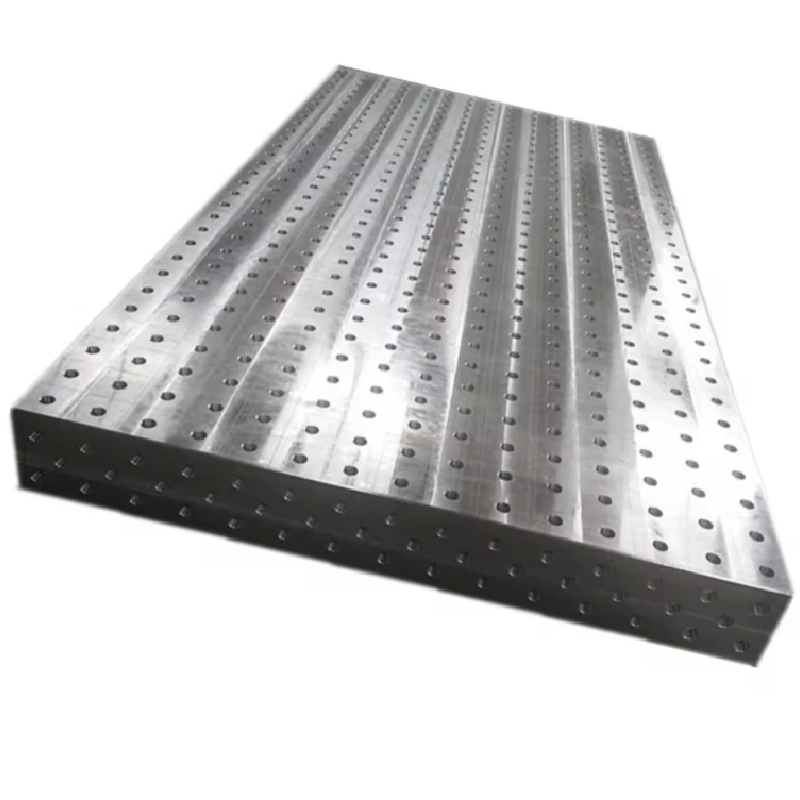
welding tables for sale
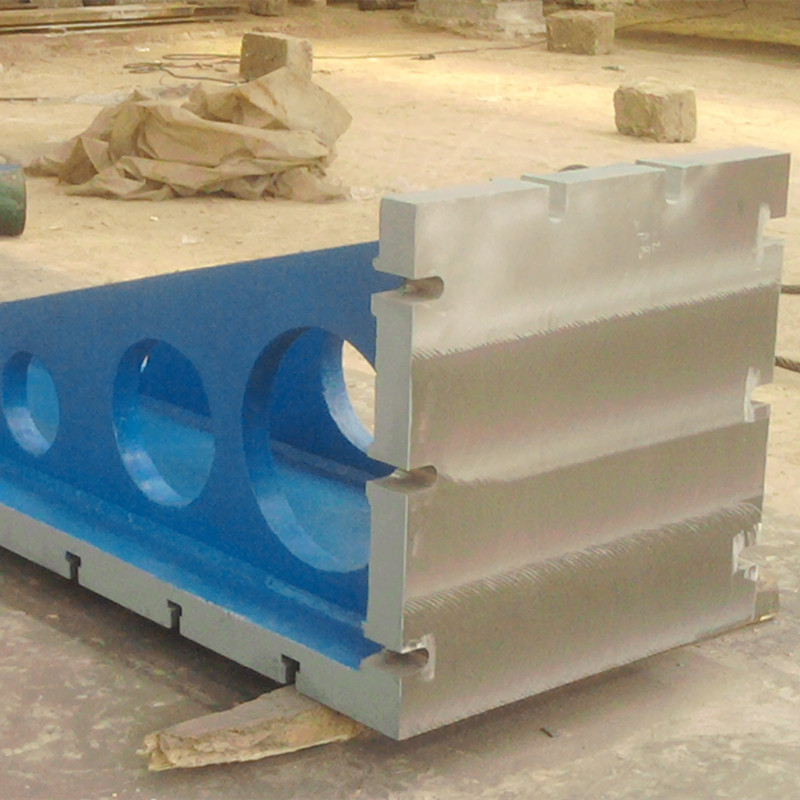
The Importance of Quality Welding Tables for Sale When it comes to metal fabrication, welding plays
 English